Why I Ride For Soldier On

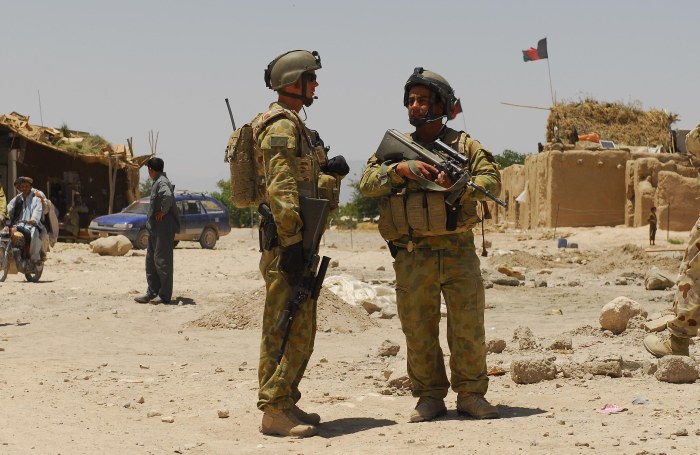
During my time in the Australian Army I served in both Iraq and Afghanistan. In 2009 after returning from 9 1/2 months in Afghanistan I knew something wasn’t right. I was aggressive to most people, wary of crowds, couldn’t sleep, had sleeping issues and started drinking heavily. Like most Soldiers, I didn’t want to talk about my issues in case I was seen as being weak and God knows there were others that were worse off than me. So I kept quiet and not surprisingly, things got worse. I didn’t want to spend time with other people and I started thinking this world would be better off without me.

After several days of no sleep, heavy drinking and almost wrapping my car around a pole on purpose, I approached and asked the Senior Soldier at my unit for assistance. Instead of the words of encouragement and avenues of support I expected from a person of that rank, I was met with “harden the f*** up and get over it”. In that one moment I felt defeated, I was dismissed by the one person who is solely responsible for the welfare of the Soldiers subordinate to them. If this person wouldn’t help me and I could no longer help myself then what was next?

Luckily for me I posted into a new unit and found the support I so desperately needed from my new workmates. After a while I finally found the courage to tell my family I needed help. Road blocks were set up by another Senior Soldier and my desperation grew greater until I hit rock bottom; I attempted to end my own life. It was only when my life was at its darkest did professional help eventually appear; it was provided by a civilian agency and organised by a very kind Navy doctor.

With only the bare-minimum of support coming from within the ADF I relied heavily on my family and friends for the ongoing support I needed. After having all support services cut off after I left the Army and the near-impossibility to secure an appointment to see a DVA accredited councillor; I started talking about my issues with others and realised that many other Soldiers had been experiencing the same obstacles; especially those that had separated from the ADF.

This is the reason I am so passionate about the provision of mental health care for returned veterans. The system is not yet good enough and so we rely on each other to be open and honest for ongoing support.

Soldier On helps by providing something other support services do not. They provide hope, confidence and a hand up – not a hand out.
The Elephant In The Room – The Department of Veterans Affairs

During the week numerous media outlets across Australia ran an article about the Department of Veterans Affairs and its inability and ineptness at not being able to deal with the increase of servicemen and servicewomen calling out for help.

Firstly, let me say that I have dealt with DVA on more than one occasion and not just for my own personal circumstances. Secondly, I would rather smash my face against a brick wall than have to relive those initial experiences ever again. To claim a person’s anxiety and depression is “not severe enough” is not only insulting it is downright dangerous. It is a fact that returned veterans have taken their own lives in recent times as a direct result from the helplessness they feel from having to deal with the bureaucracy of DVA.

There is a huge increase in returned veterans asking for help and submitting claims to DVA. It is also very true that DVA is understaffed, underfunded and undertrained. However, to not be prepared for this increase in workload is preposterous. What the hell did the Government, ADF, and DVA expect when you send men and women overseas to war and not provide them with adequate support services upon return to Australia?

It is true that many veterans do not experience what some would define as “the horror of war”, however this does not lessen the negative impact on mental health that being away from your family and friends for up to ten months can have. Combine this stress with being wounded or having your brothers-in-arms injured or killed and you have a person that is walking time bomb.

Now imagine you now have to prove to a Government Department that you are struggling to cope and you need help. Put aside the compensation claims that DVA receives; the process to access support services is appalling. For veterans in uniform you can wait up to six weeks to see a Defence psychologist. You can of course call a counselling call centre, but this in reality is only a bandaid solution for a very real and long term problem.

For veterans that have left the ADF this process is even more difficult. To put it into perspective I stopped attempting to access support services through DVA as it was becoming more common to have appointments cancelled at the last minute after waiting six weeks for the date to actually arrive. I am one of the lucky ones; I have the support of my family and friends; in particular from my Vietnam Veteran Father.

Usually I try to keep my posts about such subject matter more objective; however this is an issue that is literally killing returned veterans! The Department of Veterans Affairs has not learned from the past and its legacy of incompetence in providing adequate support services and streamlined processes continues. To claim that they are improving is not even remotely good enough. The Vietnam War ended almost forty years ago and this inept Government Department is still making the very same mistakes it made back then.